
Sophiv – Cold Water Therapy
Our Honest Take on Cold Water Therapy, Cold Plunge Tubs, and True Wellness
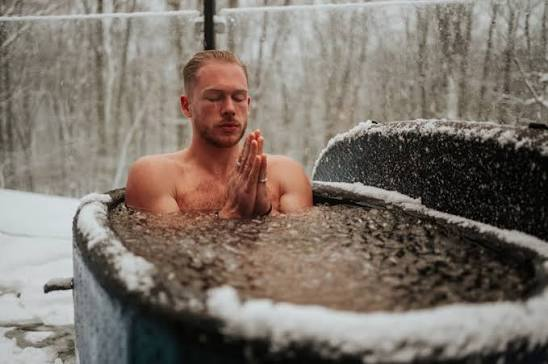
I still remember the shared, silent look of dread we all exchanged standing in that Sussex back garden last February. The morning air was biting, the grass crunched underfoot with frost, and the water in the barrel looked impossibly dark and uninviting. There was a visceral, primal reluctance in every cell of our bodies. The first submersion stole our breath completely, a sharp gasp that turned to shaky laughter. Yet, within minutes of stepping out, something shifted. The brain fog that had been lingering for days simply evaporated, replaced by a crystalline, steady mental clarity that no amount of coffee had ever provided. That moment transformed our curiosity into a full-blown obsession with cold water therapy.
Why We Believe Cold Water Therapy Is More Than a Passing Trend
It would be easy to dismiss the sight of people lowering themselves into icy barrels as a masochistic social media fad. However, our experience, backed by growing scientific evidence, suggests this is a fundamental return to a biological truth. We aren’t just chasing a fleeting endorphin rush; we are tapping into a primal physiological response that recalibrates the modern, overstimulated mind. It’s a hard reset for the nervous system, and once you feel it, you understand why the practice has stuck around.
The Science of the Shock: What Happens Inside the Body
The gasp reflex upon entering a cold plunge tub is just the beginning of a complex chemical cascade. Research points to a staggering 250% increase in dopamine levels that can sustain for hours, a natural high that dwarfs many artificial stimulants without the subsequent crash. Simultaneously, the body floods with norepinephrine, a neurotransmitter and hormone that sharpens focus and reduces inflammation. Our team views cold water immersion not as a punishment for the body, but as a targeted, acute stressor that trains the brain to stay calm in the face of chaos. It’s a deliberate practice in staying present when every instinct screams at you to flee.
Mental Clarity vs. Physical Stamina: Our Team’s Priority
While the physical recovery benefits for muscle soreness are well-documented, we’ve always prioritised the mental edge. The physical stamina required to stay in a cold plunge for three minutes is negligible compared to the mental fortitude needed to control your breathing and override panic. That discipline is the real gold. We’ve found that the ability to sit with the discomfort of cold water immersion translates directly to handling stressful deadlines or difficult conversations with a much steadier heart rate. The physical resilience is merely a pleasant side effect of the psychological training.
Cold Water Therapy as a UK Community Connector
One of the most unexpected joys has been the community. In a nation often characterised by reserved politeness, standing in a freezing lake strips away social barriers with remarkable efficiency. There is no room for pretense when you are shivering together. We’ve seen strangers become confidants, sharing flasks of warm tea and tips on layering up afterwards. From early morning gatherings on Brighton beach to small-town groups meeting at riversides, cold water therapy is fostering a uniquely British, warm-hearted community born from the cold.
Navigating the Cold Plunge Tub Market in the United Kingdom
Bringing the practice home requires navigating a market that has exploded with options, not all of which are built for the specific challenges of the UK climate. Whether you have a sprawling rural garden or a compact urban patio, the logistics of water disposal, insulation, and durability against relentless rain are crucial. We’ve spent months testing different setups to understand what truly holds up when the British weather turns grim, looking beyond marketing hype to find practical, long-lasting solutions for cold water therapy.
Garden vs. Indoor Setups: Making Space for a Cold Plunge Tub
The British home rarely offers the sprawling space seen in American wellness centres, so a pragmatic approach is essential. For garden setups, robust, portable tubs are ideal, but you must consider a level base and, crucially, a thermal cover to keep debris and rainwater out. Indoor setups, often in a garage or a spare bathroom, offer protection from the elements but demand serious consideration of ventilation and a floor that can handle splashes. We’ve found that an outdoor setup, while requiring more maintenance, contributes to the holistic, nature-connected feeling that makes the practice so powerful, even when it’s drizzling.
A Quick Look at UK-Focused Brands and Build Quality
Durability against frost, damp, and UV exposure is non-negotiable. We’ve examined popular options, noting that brands like Brass Monkey ice baths have gained traction for their portable, insulated designs that suit smaller spaces without looking like industrial equipment. Similarly, The Ice Co has become a staple not just for portable tubs but for their reliable supply of frozen water for those who prefer a simple, tech-free barrel method. The key differentiator we’ve observed is seam welding and lid security; a cheaply made tub will degrade quickly in a damp British shed, whereas a well-constructed unit withstands the elements.
How We Test for Insulation During a British Winter
Lab specifications are one thing; a real-world January night in the Pennines is another. Our testing process is deliberately low-tech but brutally honest. We fill a tub, record the water temperature at 8 p.m., and then measure it again at 8 a.m. without any intervention. A well-insulated cold plunge tub should lose minimal degrees overnight, even when the mercury dips below zero. We also test how quickly the water recovers after a plunge. The true test of build quality isn’t just keeping cold water cold; it’s resisting the persistent, penetrating damp that defines a British winter.
Mastering the Art of Cold Water Immersion Safely
Enthusiasm without education is a fast track to a dangerous situation. The goal of cold water therapy is hormetic stress—a healthy, adaptive dose—not a traumatic shock. We are firm believers that the quiet, steady approach always trumps the loud, reckless plunge. Mastering the art is less about conquering the cold and more about listening to your body’s signals, respecting the water, and understanding that a controlled exit is a sign of wisdom, not weakness.
Breathing Protocols We Actually Use
While we deeply respect the global awareness brought by the Wim Hof Method, our team has adapted a protocol that feels more sustainable for daily practice. We avoid hyperventilation-based techniques before entering water for safety reasons, as aggressive breathing can suppress the urge to breathe and increase the risk of shallow water blackout. Instead, we focus on slow, extended exhales. Inhaling for four seconds and exhaling for six or eight seconds before entry, then settling into a box breathing rhythm once the initial shock subsides, allows us to consciously down-regulate the nervous system and regain control.
Time Limits and Temperature Guidelines for Beginners
We always advise beginners to ignore the clock and focus on their breath. The moment you cannot maintain a controlled, steady exhale, it is time to get out. For a frame of reference, we suggest starting with water around 10-15°C. A safe target for a first session is often just 30 seconds to two minutes. The goal is to build a positive association, not a traumatic memory. Your session was a success if you leave feeling invigorated, not if you hit an arbitrary time mark while shivering uncontrollably.
The Unspoken Rules of Wild Swimming in the Lake District
The beauty of wild swimming in the Lake District comes with a responsibility that goes beyond personal safety. There is a quiet etiquette here. Never enter the water alone; always have a shore buddy. Respect the land; park considerately and leave no trace but a ripple. Be mindful that these pristine waters are often reservoirs or delicate ecosystems, so avoid heavy sunscreens or perfumes. The unspoken rule is one of quiet stewardship—entering the landscape with humility, acknowledging that you are a guest in a place that demands respect, not a playground to be conquered.
Building a Holistic Wellness Routine Beyond the Plunge
A cold plunge is a powerful catalyst, but it is not a cure-all. We see it as the sharp, invigorating keystone of a wider wellness arch. Without the supporting pillars of movement, nutrition, and mindfulness, you’re just a very cold, stressed person. The real magic happens when you integrate the cold exposure into a consistent morning rhythm that sets the tone for a resilient, focused day, transforming a physical shock into a sustainable practice of self-care.
Pairing Cold Exposure with Mindful Movement
After the shivering stops and the warmth returns, we’ve found it’s the perfect window for mindful movement. The mental clarity is at its peak, and the body is primed for mobility work. We regularly pair our ice baths with sessions on Liforme yoga mats. The grounding, alignment-focused nature of yoga perfectly complements the heightened awareness post-plunge. It’s not about an intense workout; it’s about a slow, deliberate flow that marries the mental stillness with a physical awakening, turning a shivering body into a fluid, warm, and connected one.
Nutrition and Recovery: What We Eat After an Ice Bath
The refueling process is about gentle warming and replenishment. We avoid immediately blasting the system with caffeine, which can amplify the already-present adrenaline. Instead, we reach for healthy fats and warm spices. A bowl of porridge with nut butter, a pinch of salt, and a dash of cinnamon provides the slow-release energy needed to stabilize blood sugar. Hydration is paramount, so a large mug of warm water with lemon and a pinch of sea salt is the first thing we reach for to replace the minerals lost during the thermogenic process.
Why Consistency Beats an Ice Mile Every Time
There’s a culture of extreme endurance in the cold therapy world, with ice miles and record-breaking durations making headlines. We reject that as the standard for wellness. A daily, manageable three-minute plunge will do infinitely more for your mental resilience than a single, dangerous, hour-long feat that takes a month to recover from. The body adapts to frequency, not intensity. We champion the quiet, unglamorous consistency of showing up for yourself, day after day, in a cold barrel in the garden, building a fortress of resilience one steady, controlled breath at a time.
True wellness isn’t found in silent suffering or grim endurance. It is found in the shared, invigorating joy of a sharp intake of breath, in the laughter that bubbles up as the cold bites, and in the deep, lasting calm that follows. It’s a journey best taken together. We invite you to join our growing UK community—embrace the chill, find your clarity, and discover a warmer connection to life on the other side of cold water therapy.
Frequently Asked Questions
Is a cold plunge tub safe for someone with a heart condition?
The cold shock response places a sudden demand on the cardiovascular system. If you have a pre-existing heart condition, high blood pressure, or a history of stroke, it is absolutely essential to consult your GP before attempting any form of cold water immersion. We always recommend starting with a lukewarm shower ending in just 15 seconds of cool water to gauge your body’s reaction under safe, controlled conditions.
How do I keep my outdoor cold plunge tub clean without harsh chemicals?
We maintain water quality through a combination of filtration and gentle sanitisation. Using a fine-mesh net to remove debris after each use is the first step. For sanitation, we prefer food-grade hydrogen peroxide or a very small amount of non-chlorine shock, which breaks down into oxygen and water. We avoid harsh chlorine tablets as they can irritate the skin and lungs, especially when the water warms up slightly during the day.
Can I practice cold water therapy if I hate the feeling of being cold?
This is the most common concern we hear, and the answer is a resounding yes. The practice is not about learning to love the sensation of being cold; it is about training your mind to stay calm in the face of intense physical stress. You are not aiming for a state of permanent chill. The empowering part is the rapid warming that occurs afterwards, a deep, internal heat generated by your own metabolism that feels profoundly rewarding.
What should I wear for a cold plunge in a UK winter?
This is entirely personal preference. For safety, we always recommend a woolly hat, as a huge amount of heat is lost through the head. Neoprene gloves and booties are a game-changer for many, as the extremities feel the cold most acutely. Whether you wear a swimming costume or nothing at all is up to your comfort level and privacy; the focus should be on protecting your hands, feet, and head to prolong your immersion comfortably.